
Unified Flight Management Platform
Provincial low-altitude flight service integration: site management, approval, real-time monitoring
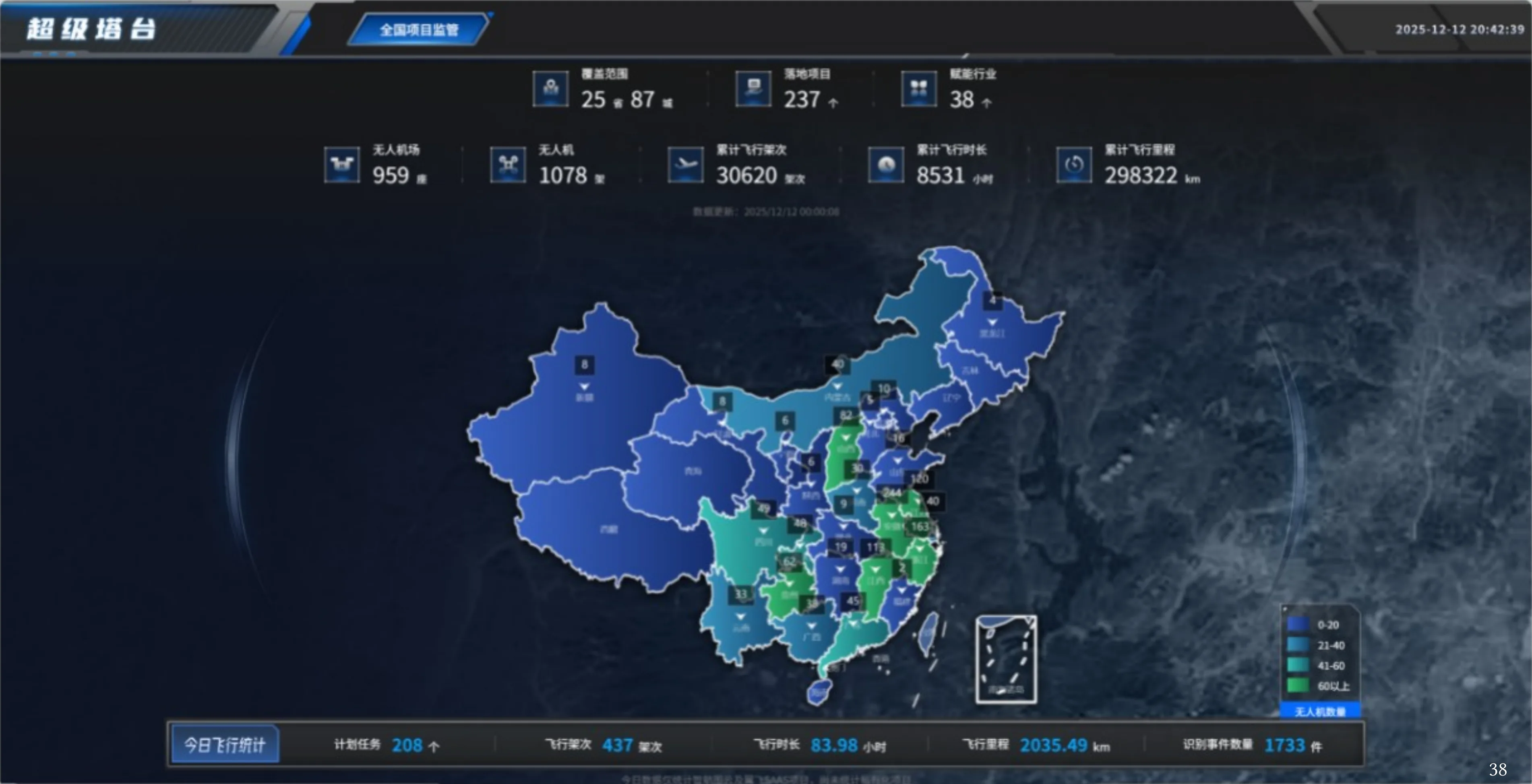
Overview
The Unified Flight Management Platform builds a provincial and municipal low-altitude flight service system covering sites and landing facilities, flight plan approval, real-time monitoring, anomaly handling, and operational replay. A shared object model and operational record connects management bodies, operators, and support organizations.
Core Capabilities
- Low-altitude airspace digitalization and route planning
- Online flight plan application and smart approval
- Full-area real-time monitoring and anomaly alerts
- Operational data replay and statistical analysis
Implementation Boundaries
Configuration depends on local responsibilities, airspace and route conditions, existing flight-service systems, communication-navigation-surveillance capabilities, and data-sharing boundaries. Responsible authorities confirm approval rules, alert thresholds, and response procedures; the platform executes configurations, records the process, and supports replay.
System & Scenario Evidence
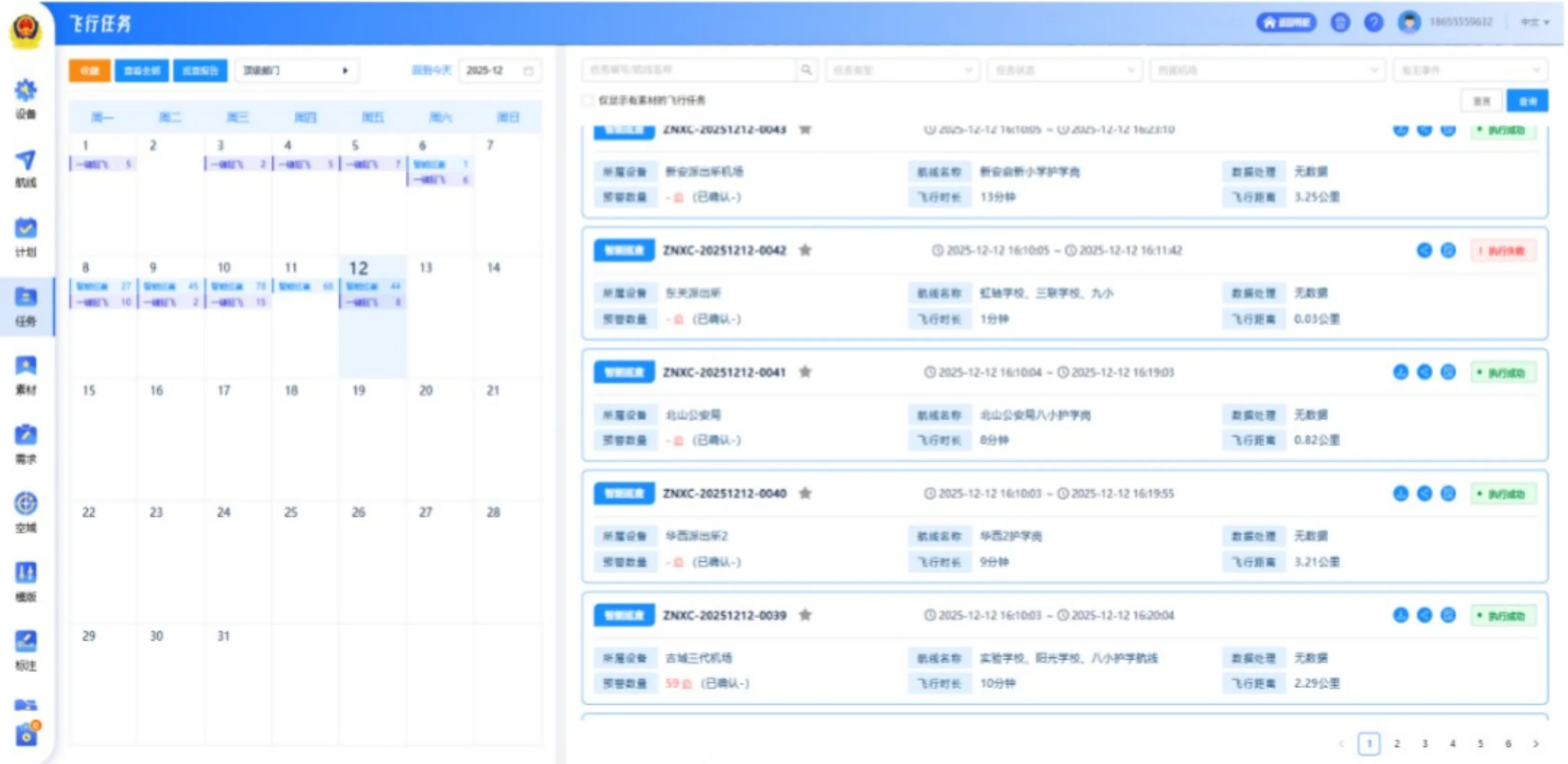
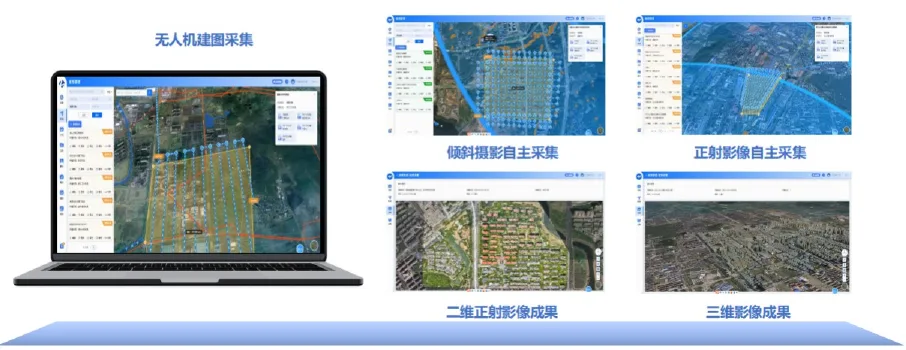

Connect Flight Services and Operations Management
Sites, aircraft, personnel, airspace, routes, and missions share one object model, allowing application, approval, monitoring, response, and replay to use consistent operational data.
Manage Low-Altitude Resources in One Model
Operators, personnel, aircraft, landing sites, communication-navigation-surveillance facilities, airspace, and routes are registered with qualifications, status, spatial relationships, and availability.
- Organizations and personnel
- Aircraft records
- Landing facilities
- Airspace and route resources
Flight Plan Application and Coordinated Approval
Applicants submit mission, time, route, aircraft, and support information. The platform checks materials and conflict conditions while retaining correction, approval, and change history.
- Plan application
- Material validation
- Conflict checks
- Approval and change history
Monitor Flights and Facilities in Real Time
Flight dynamics, geofences, weather, sites, and facility status support graded alerts for route deviation, loss of contact, restricted-area entry, and other anomalies.
- Live tracks
- Facility status
- Rule-based alerts
- Graded response
Anomaly Response and Operational Replay
Alert confirmation, notification, resource dispatch, field feedback, and closure form one response record, with analysis by operator, area, mission, and time.
- Alert confirmation
- Coordinated notification
- Resource dispatch
- Statistics and replay
Low-Altitude Flight Service Loop
Entity and facility records lead into plan applications, rule checks, live monitoring, anomaly handling, and full-process records.
Register Resources
Establish records for entities, personnel, aircraft, sites, facilities, airspace, and routes.
Provide Plan Services
Receive applications and run material, qualification, airspace, and conflict checks.
Support Operations
Combine tracks, weather, facilities, and alerts for duty operations and coordinated response.
Analyze and Replay
Retain mission, anomaly, response, and service data to assess quality and resource demand.
Product Design and Operations References
The references below come from Hanxing Unified Flight product materials and scenario design. They explain platform capabilities and are not specific customer deliveries.
Provincial and Municipal Operations Overview
Regional, operator, aircraft, facility, and mission views provide one entry point for duty operations, resource management, and statistical analysis.
Source: Hanxing Unified Flight product introduction; product design reference, not a specific customer caseFlight Services and Route Coordination
Mission requirements drive route planning, plan applications, condition checks, approval collaboration, and records of corrections, changes, and execution status.
Source: Hanxing Unified Flight product introduction; product design reference, not a specific customer caseAnomaly Alerts and Coordinated Response
Flight anomalies, facility status, and field information enter the operations center, where duty personnel confirm risk and initiate notification, dispatch, and closure records.
Source: Hanxing low-altitude operations scenario design; not a specific customer caseRecommended Bundle
AI application modules that can be extended from this platform, or deployed standalone.
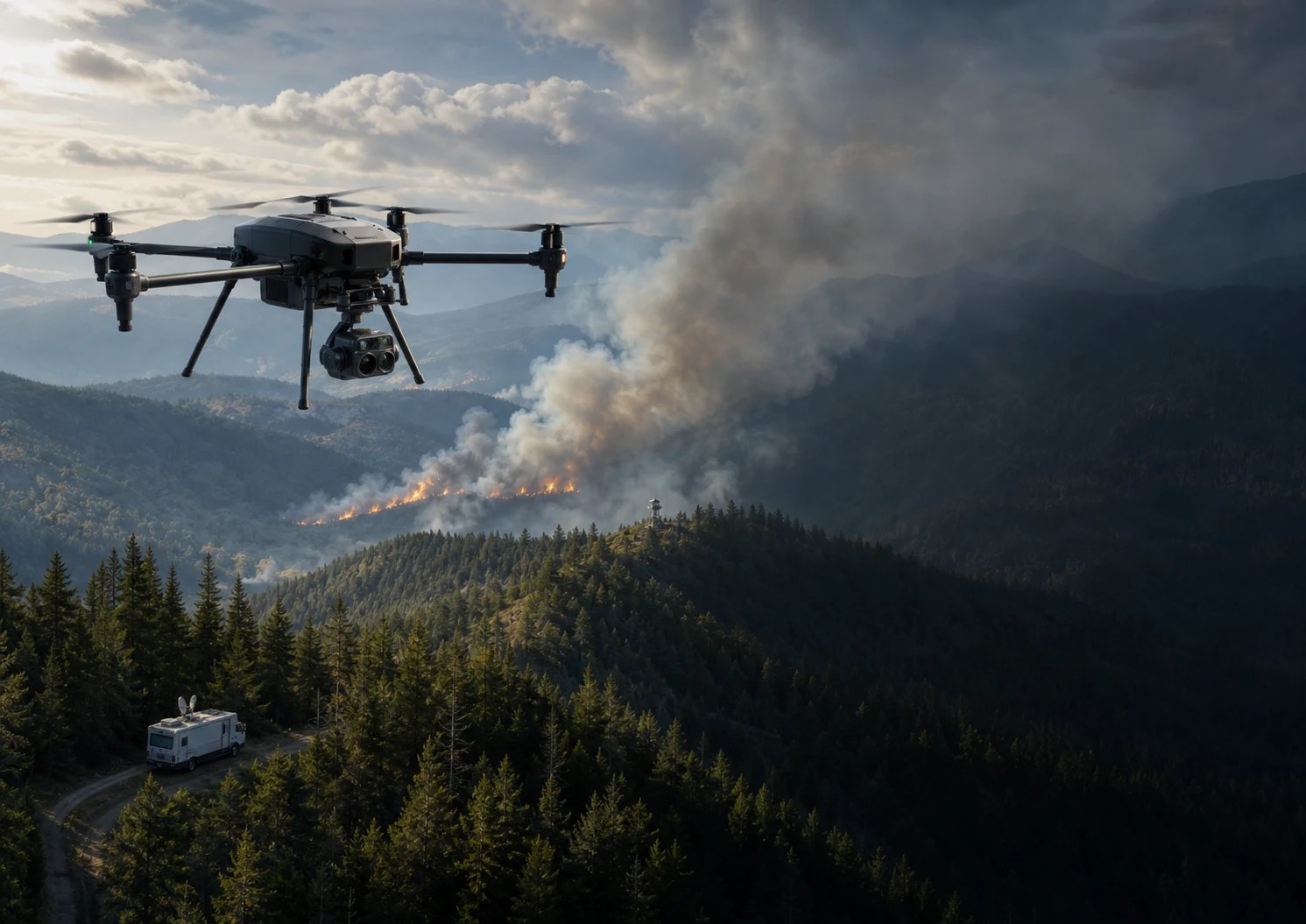
Industry UAV Applications
Industry UAV solutions for forest fire monitoring, agricultural spraying, solar panel inspection and drone cleaning with autonomous flight and AI analysis
Learn MoreStart Your Digital Transformation Journey
Start with business goals and field constraints, then build an implementable, testable, and maintainable solution.
Contact Us