
Robot Cluster Command System
Robot platform for unified access, mission scheduling, remote control and data return across drones, robot dogs, unmanned vehicles and vessels
Overview
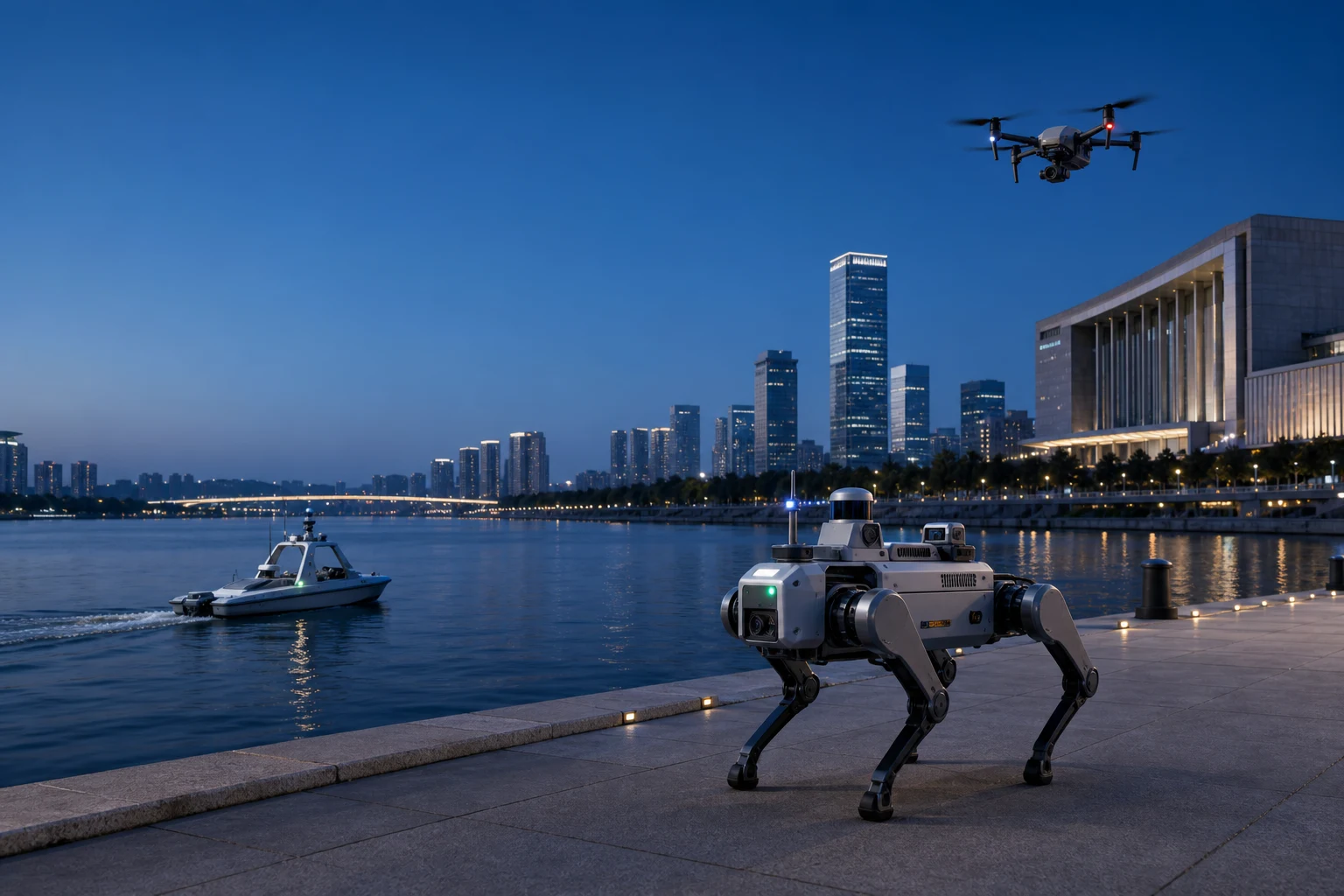
The Robot Cluster Command System is a robot platform providing unified access and cluster command for drones, robot dogs, unmanned vehicles, and vessels. It supports mission planning, autonomous navigation, collaborative operations, remote control, and end-to-end data return. Protocol adapters and capability models organize equipment from different vendors into schedulable, observable, and reviewable operating units.
Core Capabilities
- Unified device access and protocol adaptation
- Cluster mission planning and autonomous scheduling
- Remote control and real-time video return
- Multi-machine collaboration and autonomous obstacle avoidance
Operations
- Maintain one registry for devices, payloads, accessories, firmware, and health
- Reuse mission templates for inspection, rescue, security, and transport
- Schedule around maps, restricted areas, link quality, and remaining battery
- Archive video, alerts, tracks, and reports as searchable mission records
System & Scenario Evidence
Frequently Asked Questions
Direct answers covering use cases, core capabilities, and delivery.
What is a robot platform?
A robot platform is the software foundation for connecting, managing, and dispatching drones, robot dogs, unmanned vehicles, vessels, and payloads. It brings device status, missions, maps, video, alerts, and results into one workflow.
Which heterogeneous robots can the platform support?
Protocol adapters can connect equipment from different vendors and form factors, including drones, robot dogs, unmanned vehicles, vessels, and specialist payloads. Compatibility depends on control interfaces, communications, safety boundaries, and field networks.
How does robot cluster mission scheduling work?
Inspection, reconnaissance, transport, and emergency work can be divided into parallel or sequential tasks. The platform selects equipment using position, battery, payload, link quality, and restricted areas, then replans as conditions change.
From Field Problems to Executable Scenarios
Platforms, equipment, and data are organized around real workflows, so every capability maps to a concrete operation and delivery outcome.
Heterogeneous Devices on One Platform
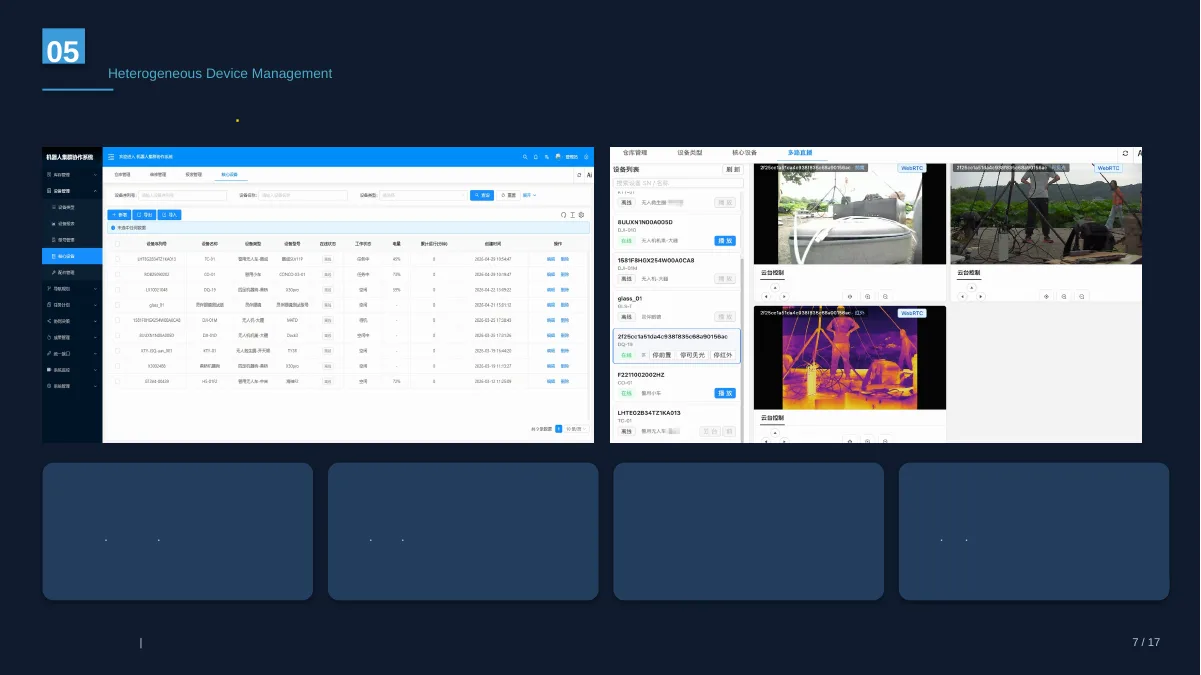
Drones, robot dogs, unmanned vehicles, vessels, and payloads share a unified asset registry with real-time location, battery, temperature, fault, and video status.
- Unified access
- Device health
- Multi-stream video
- Asset management
Collaborative Missions Across Robot Types
Operators can select an area and let the platform decompose inspection, reconnaissance, transport, and site-protection work into parallel, sequential, or dynamically replanned tasks.
- Reusable templates
- Parallel and serial tasks
- Air-ground routing
- Dynamic replanning
Turn Live Feeds into Searchable Assets
Video, imagery, sensor data, and reports are archived by mission, device, time, and area, creating a traceable data chain for review and algorithm improvement.
- Unified results
- Multidimensional search
- Data visualization
- End-to-end traceability
Continuous Handoffs Across Air, Ground, and Field Teams
A drone performs initial reconnaissance, a robot dog enters hazardous areas, an unmanned vehicle carries equipment, and a vessel can extend the mission onto water. The platform replans work as conditions change and synchronizes critical video and location data.
- Advance reconnaissance
- Hazard-zone substitution
- Equipment transport
- Dynamic mission handoff
How the Solution Lands
From scope and data interfaces to integration testing and acceptance, every project follows a traceable and maintainable delivery path.
Device Inventory
Review models, protocols, payloads, networks, and field constraints.
Platform Access
Configure adapters, maps, identities, permissions, and data models.
Mission Drills
Validate inspection, rescue, security, and transport workflows.
Continuous Operations
Tune operations using device health, mission results, and alert data.
Project References & Solution Evidence
Based on Hanxing project materials, solution documents, and application scenarios. Sensitive customer information is intentionally omitted from the public site.
Air-Ground Coordination at a Highway Incident
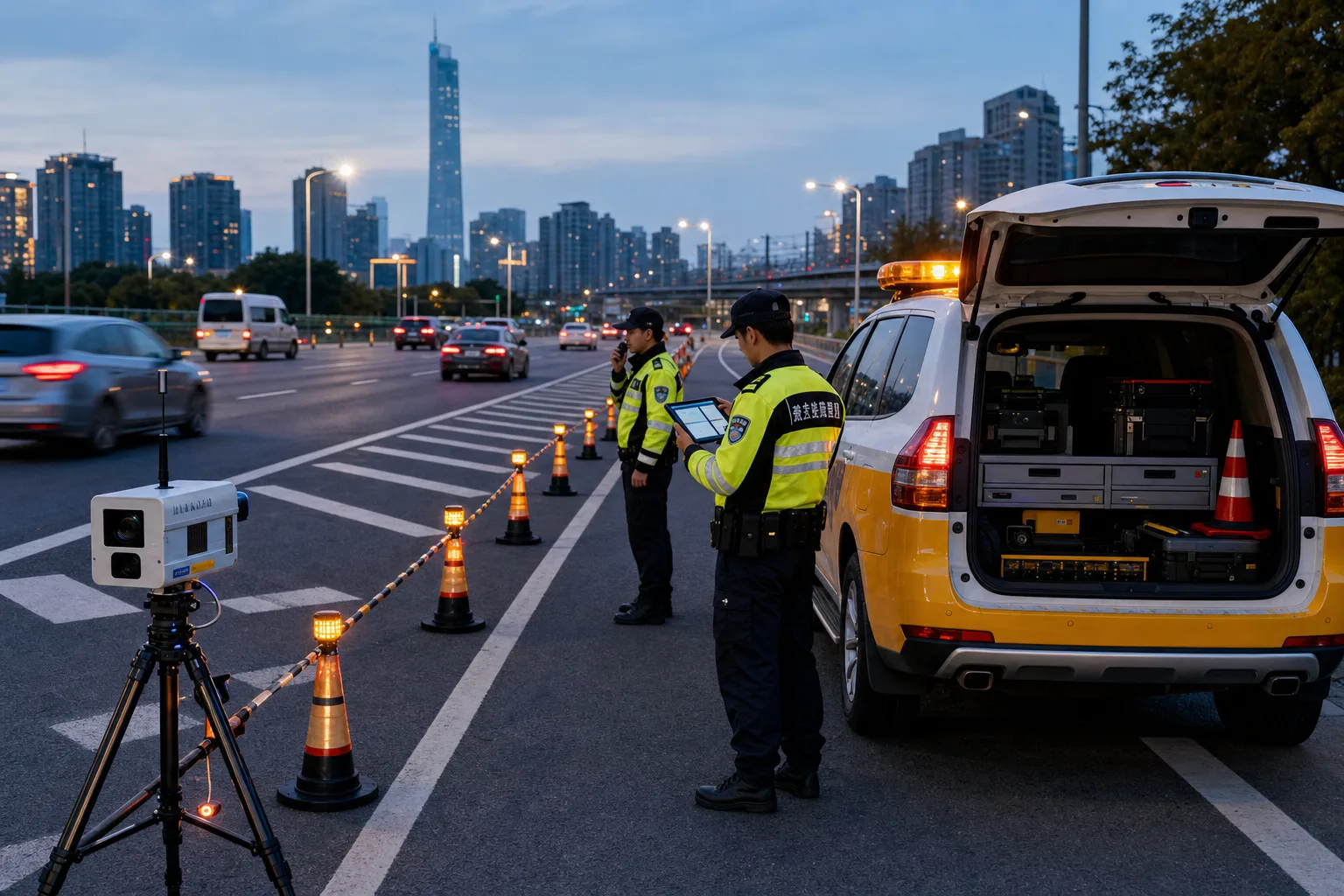
A drone captures the full scene, a robot dog performs close inspection, an unmanned vehicle delivers equipment, and the command center coordinates every feed and field action.
Based on Hanxing robot cluster and robot dog solution materialsUnified Heterogeneous Robot Management
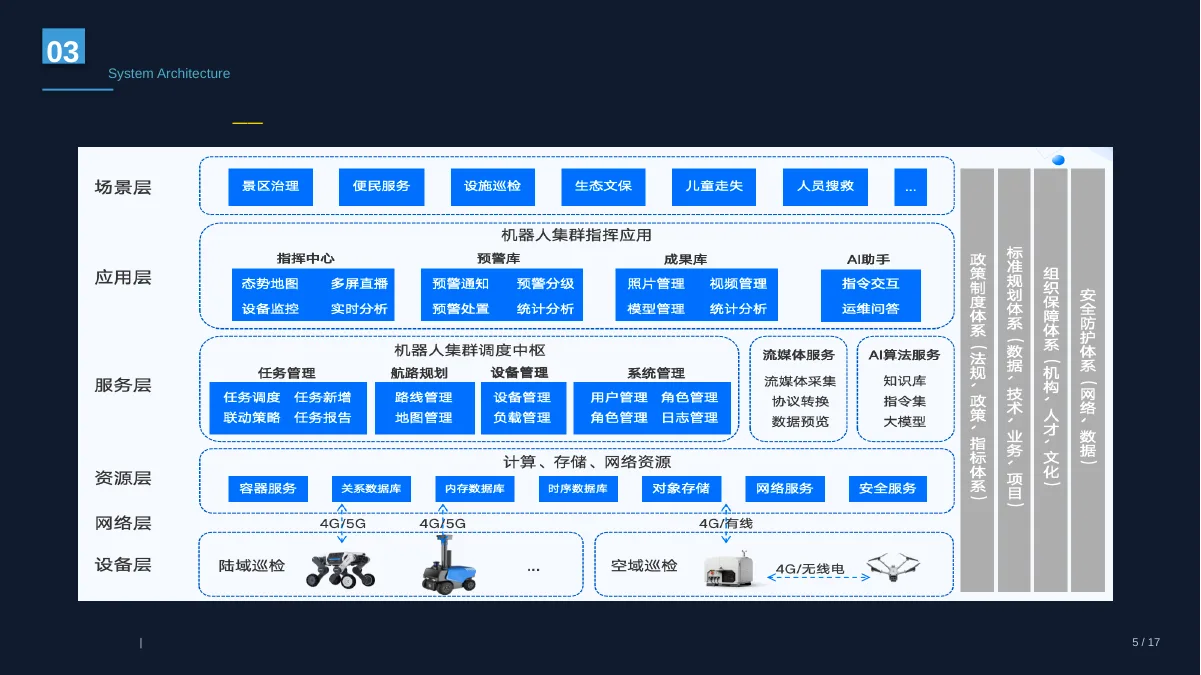
Device access, mission dispatch, AI services, result management, and command control support cooperation across brands and robot forms.
Hanxing robot cluster platform architectureIntelligent Equipment Coordination in Emergency Mission 2025
A public Ministry of Emergency Management article describes drones, robots, remotely operated equipment, and rescue teams working together in an exercise, providing an industry reference for mission handoffs and human-machine coordination.
Ministry of Emergency Management public material · Not a Hanxing customer caseRecommended Bundle
AI application modules that can be extended from this platform, or deployed standalone.
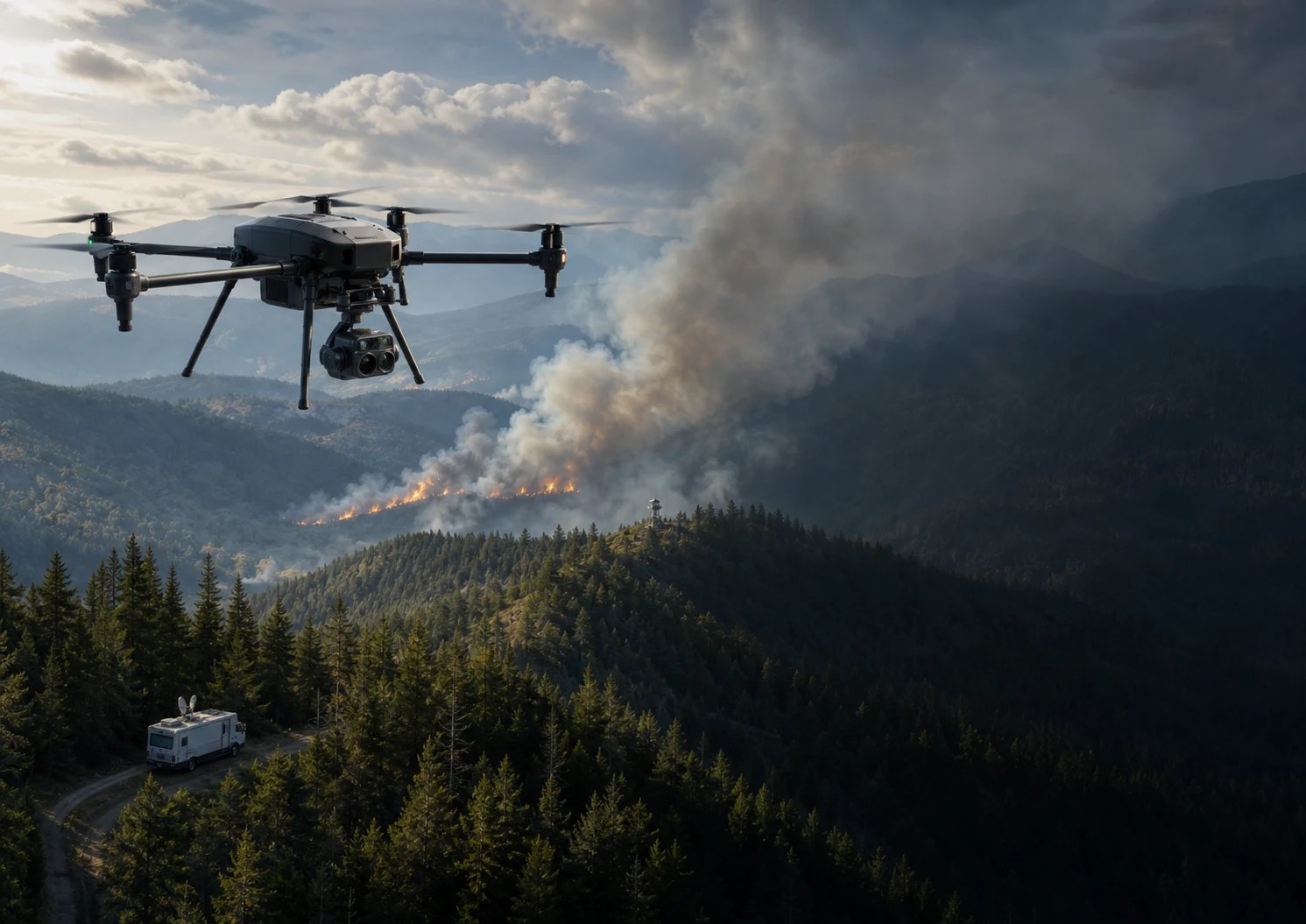
Industry UAV Applications
Industry UAV solutions for forest fire monitoring, agricultural spraying, solar panel inspection and drone cleaning with autonomous flight and AI analysis
Learn MoreStart Your Digital Transformation Journey
Start with business goals and field constraints, then build an implementable, testable, and maintainable solution.
Contact Us