
Government Intelligence Platform
Government AI assistant platform for service guidance, knowledge retrieval, document support, data governance, case analysis and auditable AI workflows

Overview
The Government Intelligence Platform provides configurable government AI assistants for public services, case analysis, and city operations. It combines data governance, industry knowledge, and trusted AI analysis in auditable workflows, with optional generative BI, government service assistance, and discipline inspection products for specialized needs.
Core Capabilities
- Data Hub — Unified data collection, governance, and service
- Industry Knowledge — Regulations, standards, and cases as a reasoning knowledge graph
- Trusted AI Workbench — Assisted analysis, document generation, risk early warning
- Visualization Cockpit — Situational awareness, command dispatch, performance evaluation
Operational Value
- Standardize definitions across systems and reduce manual reconciliation
- Convert regulations, cases, and expert practice into reusable knowledge and rules
- Keep leads, tasks, evidence, and outcomes in one auditable business chain
- Govern AI through permissions, masking, logs, and model evaluation
System & Scenario Evidence

Frequently Asked Questions
Direct answers covering use cases, core capabilities, and delivery.
What work can a government AI assistant support?
A government AI assistant can support policy and business knowledge retrieval, service guidance, material pre-review, document assistance, data queries, event analysis, and task tracking. Capabilities are configured around departmental workflows and authority.
How are government AI assistant results made traceable?
The platform can retain user inputs, cited sources, model outputs, human revisions, permission checks, and operation logs. Source attribution, data masking, and model evaluation help govern the boundary of AI use.
Can the assistant connect to existing government systems?
Yes. APIs, data exchange, or messaging can connect business systems, data hubs, identity services, and electronic document repositories. The integration method depends on architecture, security requirements, and data authorization.
From Field Problems to Executable Scenarios
Platforms, equipment, and data are organized around real workflows, so every capability maps to a concrete operation and delivery outcome.
A Data Hub for One Consistent View
Regulatory, case, assessment, and operational data are collected and governed under shared definitions so leaders see the same situation and frontline teams retrieve information faster.
- Cross-system integration
- Shared definitions
- Data lineage
- Unified situational view
Industry Knowledge as Reasoning Rules
Regulations, standards, cases, and workflows are organized into a knowledge system for retrieval, association, and assisted analysis with less information loss.
- Regulatory knowledge
- Case association
- Rule orchestration
- Analysis traceability
Trusted AI that Assists Responsibility
Document assistance, risk warning, and situational analysis retain inputs, evidence, outputs, and audit records so AI remains explainable, traceable, and governable.
- Intelligent search
- Document assistance
- Risk warning
- Audit and permissions
Auditable Coordination Across Departments
Lead intake, task assignment, departmental feedback, escalation, evaluation, and document archiving form one workflow. Managers can see progress and reconstruct the evidence behind each decision.
- Unified intake
- Cross-department assignment
- Deadline escalation
- Full-process audit
How the Solution Lands
From scope and data interfaces to integration testing and acceptance, every project follows a traceable and maintainable delivery path.
Workflow Discovery
Confirm organizations, roles, processes, data sources, and security boundaries.
Knowledge Modeling
Design data domains, industry knowledge, rules, and performance metrics.
Platform Build
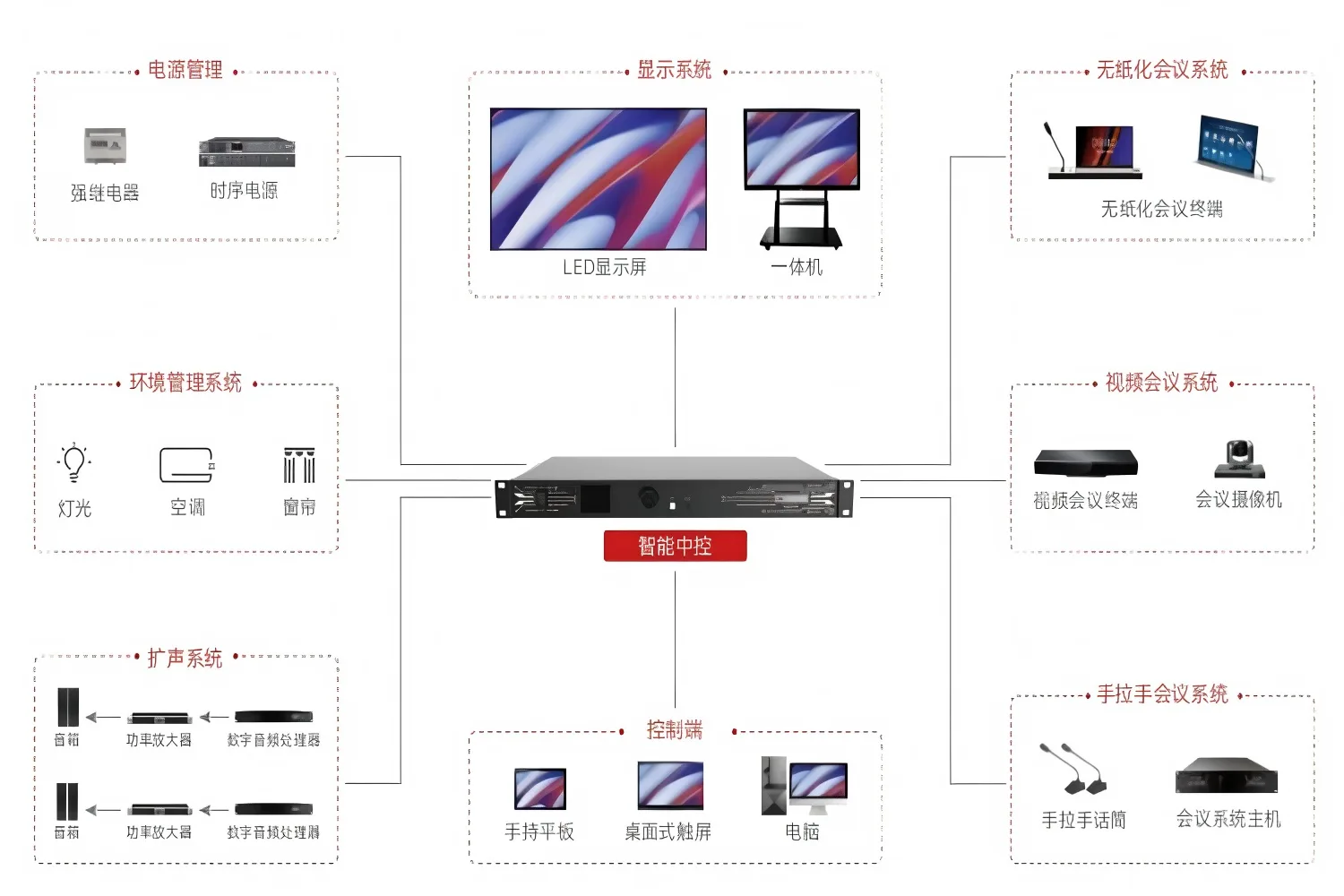
Deploy the data hub, AI workbench, cockpit, and business applications.
Operational Iteration
Improve the system using feedback, audit records, and model evaluation. Integrated appliance supports rapid deployment and localized data security.
Project References & Solution Evidence
Based on Hanxing project materials, solution documents, and application scenarios. Sensitive customer information is intentionally omitted from the public site.
Digital Procuratorate and Assisted Case Work
Case workflows, documents, precedent knowledge, and operational views are organized with an emphasis on traceability and auditable decision support.
Based on Hanxing company project reference materialsGovernment Command Center and Operations Cockpit
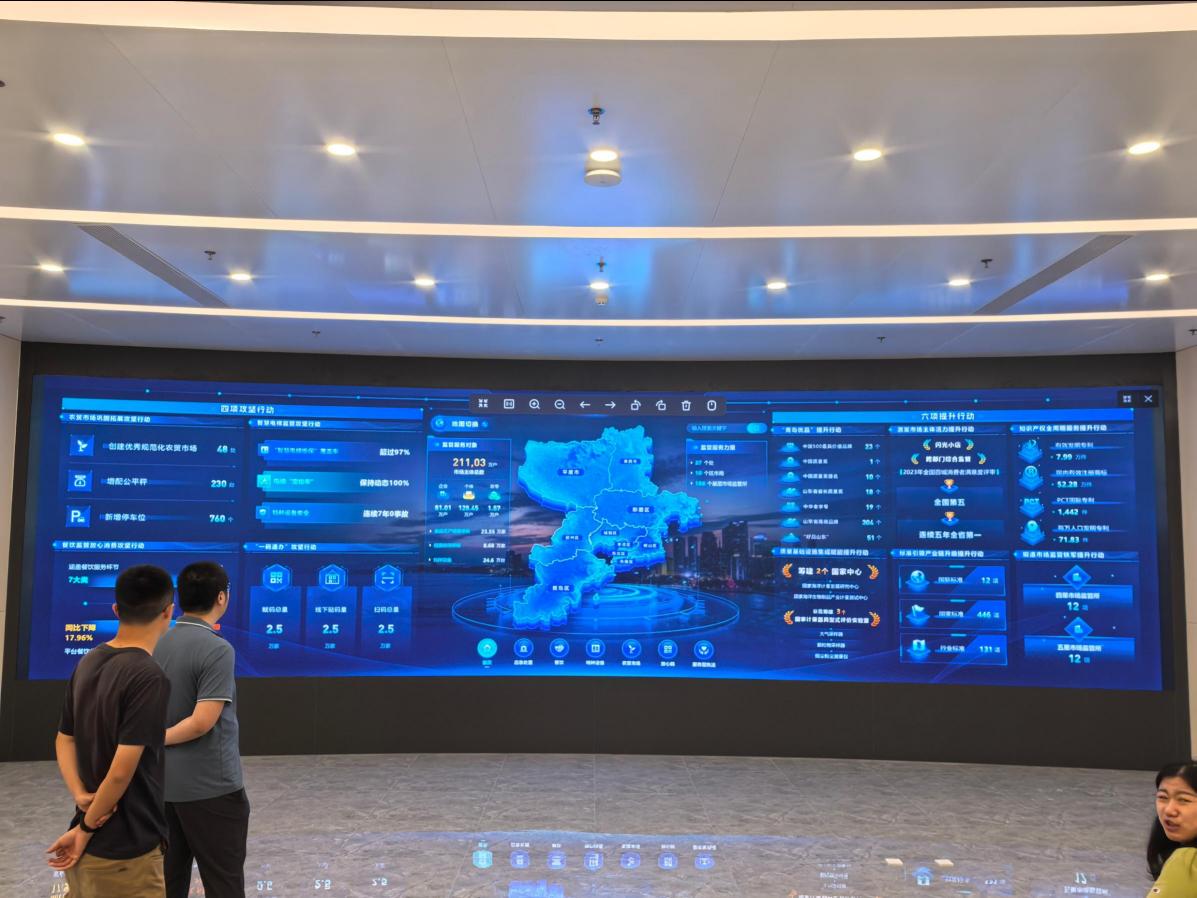
Cross-department data, operating indicators, and event workflows are consolidated for daily management, coordinated command, and executive reporting.
Based on Hanxing company project reference materials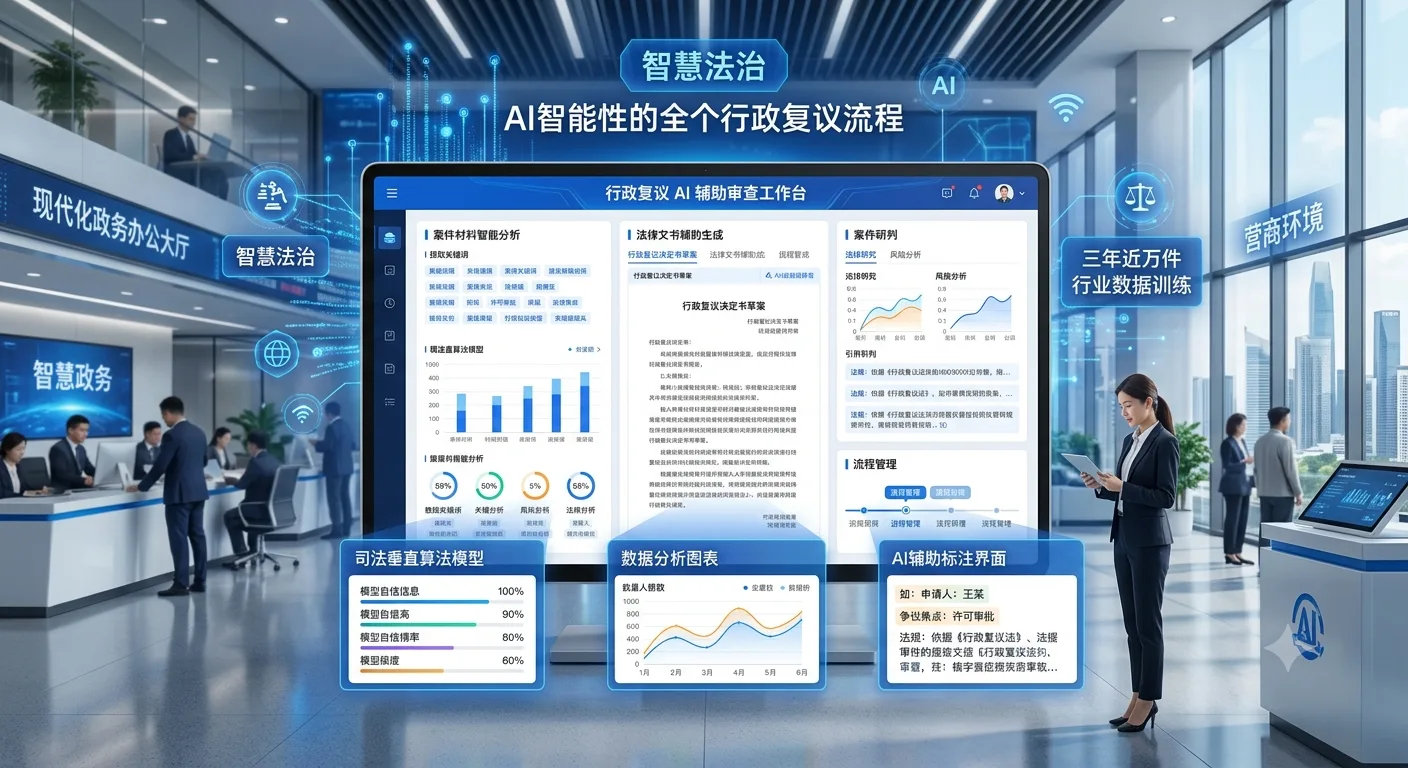
Administrative Reconsideration AI Review Platform Appliance
Co-developed by Huawei's chief political-legal industry expert team and senior AI application engineers, this appliance uses a judicial vertical algorithm model trained on nearly 10,000 administrative reconsideration cases over three years. It assists case handlers with material review, document generation, and case analysis — covering non-acceptance decisions, response notices, correction notices, and reconsideration decisions — to promote high-quality economic and business environment development.
Huawei ecosystem product · Administrative Reconsideration AI Review Platform ApplianceDigital Enablement for Higher-Quality Legal Supervision
A public Supreme People's Procuratorate article discusses data integration, big-data legal-supervision models, and digital procuratorate mechanisms, providing an industry reference for governed data and closed-loop operations.
Supreme People's Procuratorate public material · Not a Hanxing customer caseRecommended Bundle
AI application modules that can be extended from this platform, or deployed standalone.
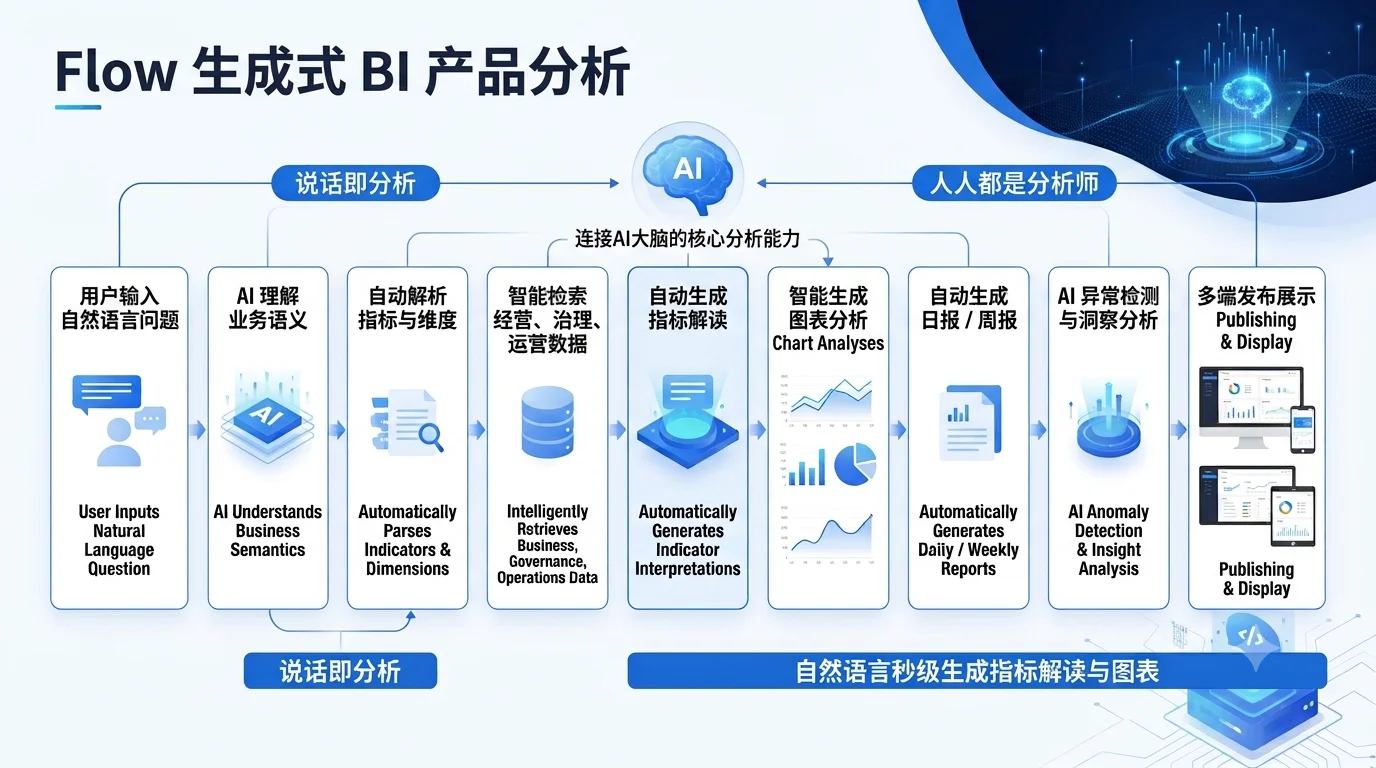
Generative BI
Natural-language analytics, governed metric semantics, dynamic visualization, and multi-device publishing
Learn More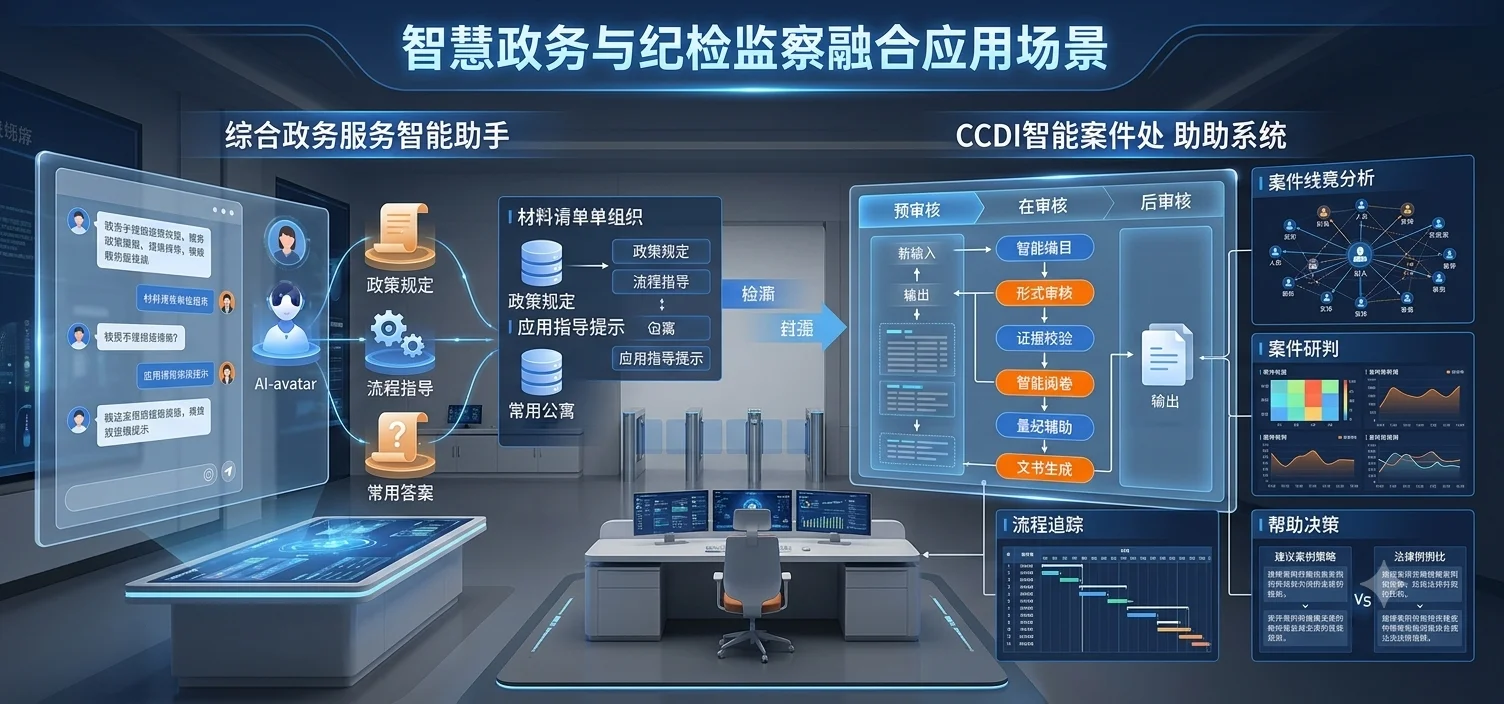
Government Service AI Assistant
Smart guidance, material pre-review, assisted form filling, and coordinated service routing across online and offline channels
Learn More
Discipline Inspection AI Assistant
Assisted case work covering smart indexing, evidence verification, intelligent review, document drafting, similar-case retrieval, and disciplinary disposition reference
Learn MoreRelated Products
Combine platforms, AI applications, and engineering capabilities around one operational goal.
Generative BI
Natural-language analytics, governed metric semantics, dynamic visualization, and multi-device publishing
Learn MoreGovernment Service AI Assistant
Smart guidance, material pre-review, assisted form filling, and coordinated service routing across online and offline channels
Learn MoreDiscipline Inspection AI Assistant
Assisted case work covering smart indexing, evidence verification, intelligent review, document drafting, similar-case retrieval, and disciplinary disposition reference
Learn MoreStart Your Digital Transformation Journey
Start with business goals and field constraints, then build an implementable, testable, and maintainable solution.
Contact Us